Bathroom
Choosing the Right Tiles for Your Bathroom in Malaysia
Aug 19 2026
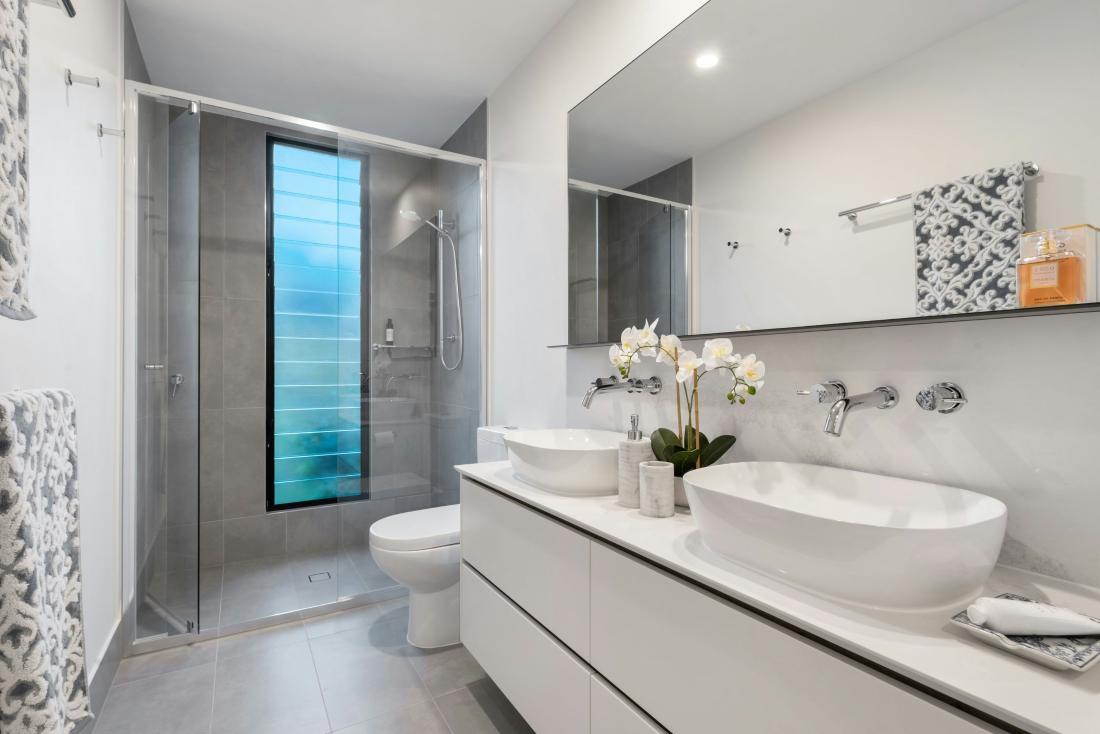
Not sure how to choose the right tiles for your bathroom? This guide covers everything Malaysian homeowners need to know before buying.
Walk into any tile showroom in Malaysia and you'll quickly understand why so many homeowners feel overwhelmed. There are hundreds of options staring back at you — different materials, finishes, sizes, and price points, all competing for your attention. The truth is, choosing the right tiles for your bathroom isn't just about picking something that looks pretty. It's about finding the combination that works for your climate, your lifestyle, and your budget. Get it wrong, and you'll be living with slippery floors or grout that turns black within months. Get it right, and your bathroom becomes one of the most satisfying spaces in your home.
Choosing the Right Tiles for Your Bathroom in Malaysia
Walk into any tile showroom in Malaysia and you'll quickly understand why so many homeowners feel overwhelmed. There are hundreds of options staring back at you — different materials, finishes, sizes, and price points, all competing for your attention. The truth is, choosing the right tiles for your bathroom isn't just about picking something that looks pretty. It's about finding the combination that works for your climate, your lifestyle, and your budget. Get it wrong, and you'll be living with slippery floors or grout that turns black within months. Get it right, and your bathroom becomes one of the most satisfying spaces in your home.
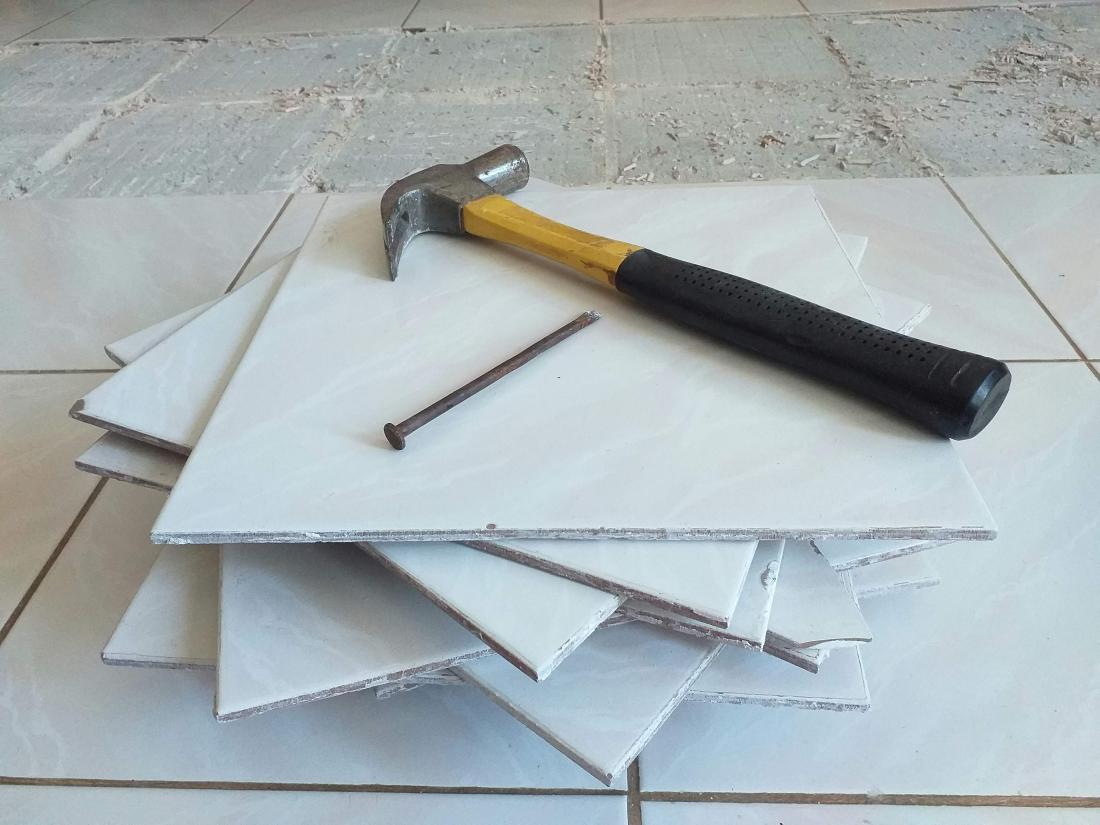
Why Bathroom Tile Selection Matters More Than You Thin
Most people treat tile selection as a style decision. It's not — or at least, not entirely. In Malaysia's humid tropical climate, the wrong tile material can lead to mould growth, cracked surfaces, and floors that become dangerously slippery when wet. The heat and moisture your bathroom experiences every single day is far more intense than what bathrooms in temperate countries deal with. This is exactly why choosing the right tiles for your bathroom here requires a slightly different approach than what you'd read in a general home décor blog.
Beyond moisture resistance, tiles also affect how easy your bathroom is to clean, how large the space feels, and how much maintenance it demands over the years.
Understanding Tile Materials: Which One Fits Your Bathroom?
a. Ceramic Tiles
Ceramic tiles are the most common choice in Malaysian homes, and for good reason. They're affordable, widely available, and come in an enormous range of designs. They perform well in low-to-moderate moisture environments, which makes them a solid option for bathroom walls. However, they are more porous than porcelain, so for bathroom floors — especially wet zones — you'll want to pair them with proper sealing or consider upgrading to porcelain instead.
b. Porcelain Tiles
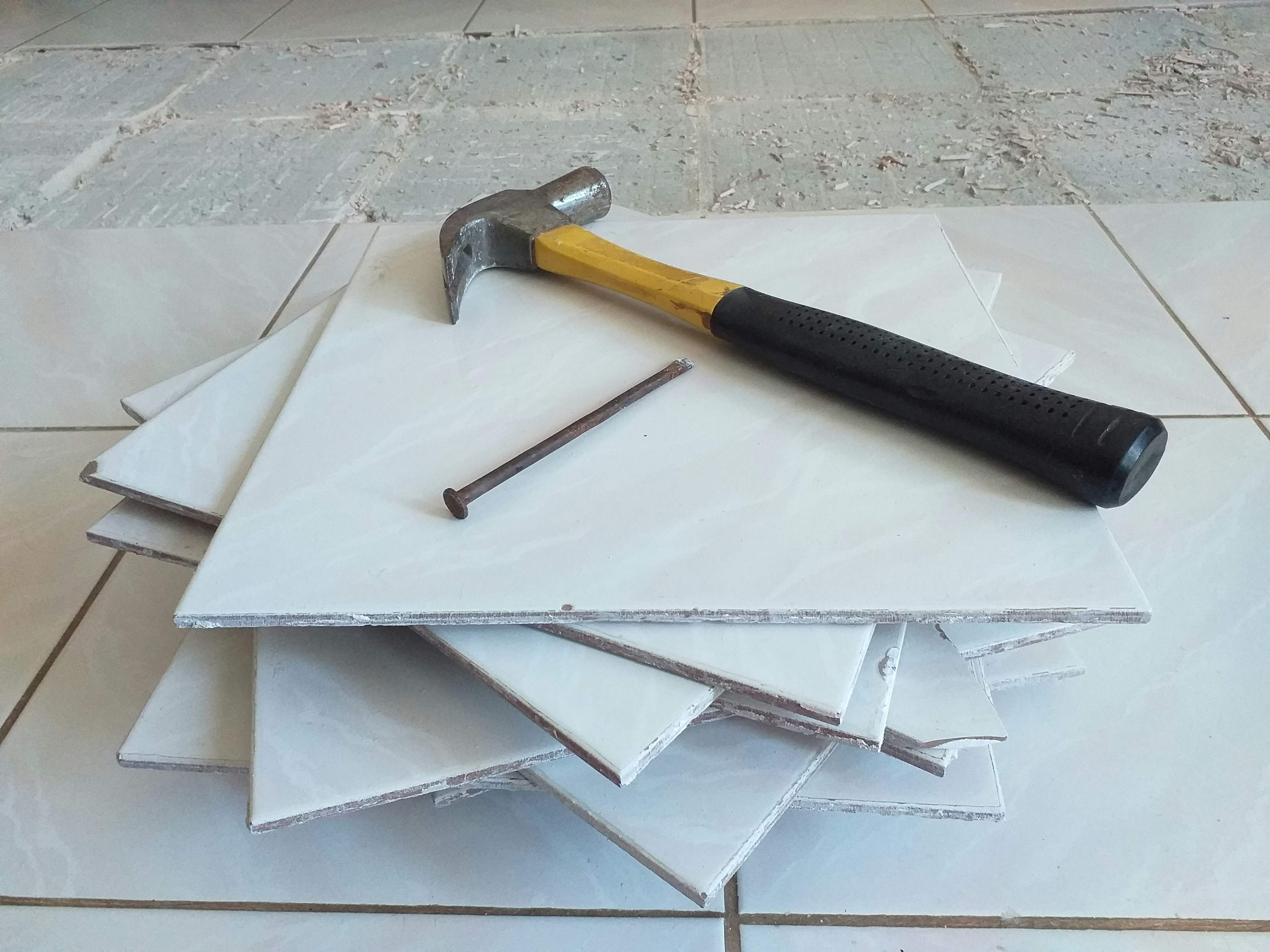
If you're choosing the right tiles for your bathroom floor, porcelain is often the smarter long-term investment. Porcelain is denser, less porous, and significantly more resistant to water absorption than standard ceramic. It also handles foot traffic well, which matters in a family bathroom that sees heavy daily use. The downside? It costs more and requires professional cutting tools during installation, which can add to your renovation budget.
c. Homogeneous Tiles
Popular in modern Malaysian homes, homogeneous tiles are made from a uniform mixture throughout the entire tile body — meaning the colour and texture go all the way through, not just on the surface. They are highly durable, easy to maintain, and look consistently sleek even after years of use. Many homeowners prefer them for both bathroom floors and walls for a clean, contemporary look.
d. Natural Stone Tiles
Marble and granite tiles bring an undeniable luxury feel, and you'll see them often in high-end condominiums and bungalows across Kuala Lumpur and the Klang Valley. That said, natural stone requires regular sealing to prevent staining and water damage. In a Malaysian bathroom where moisture levels are high year-round, skipping maintenance on natural stone tiles can lead to costly problems fairly quickly.
The Slip Resistance Factor You Cannot Ignore
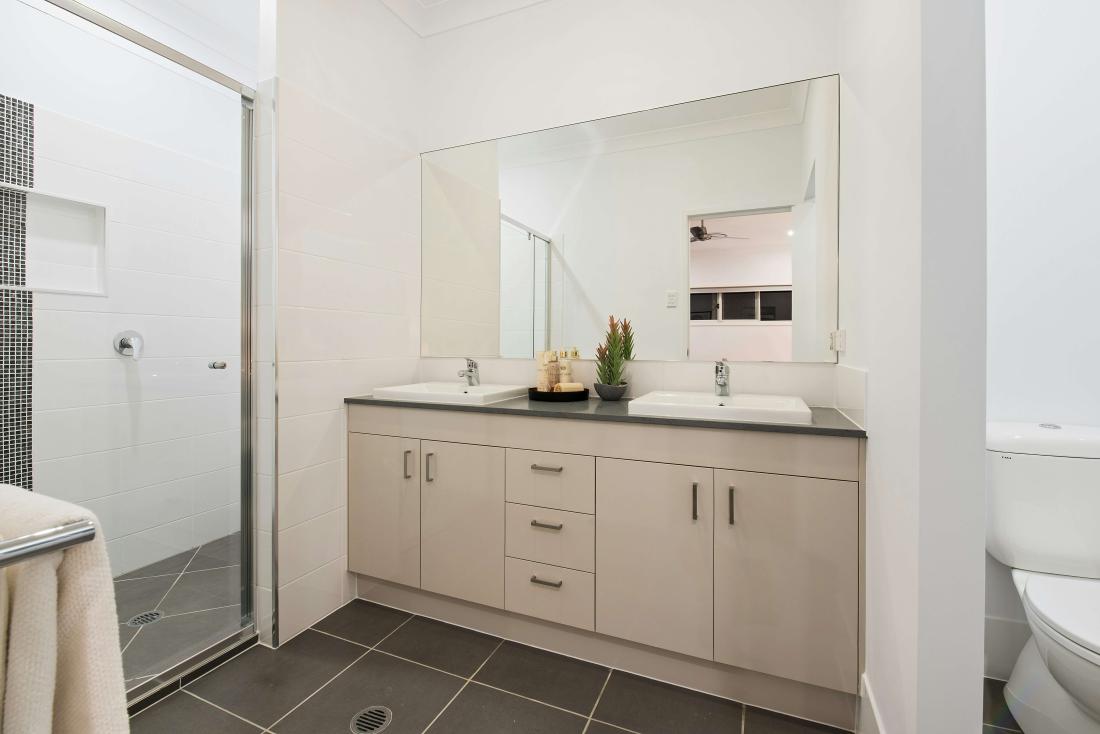
This is one area where Malaysian homeowners sometimes cut corners — and regret it. Bathroom floors, especially wet zones near the shower or bathtub, must have adequate slip resistance. Tiles are rated by their coefficient of friction (COF), and for wet bathroom floors, you should look for tiles with a COF rating of 0.6 or higher. Many matte-finish tiles and textured ceramic or porcelain options meet this requirement. Glossy tiles may look stunning on walls, but they become a hazard on floors when wet.
When choosing the right tiles for your bathroom floor specifically, always ask your supplier about the slip resistance rating before making a decision.
Tile Size and How It Affects Your Space
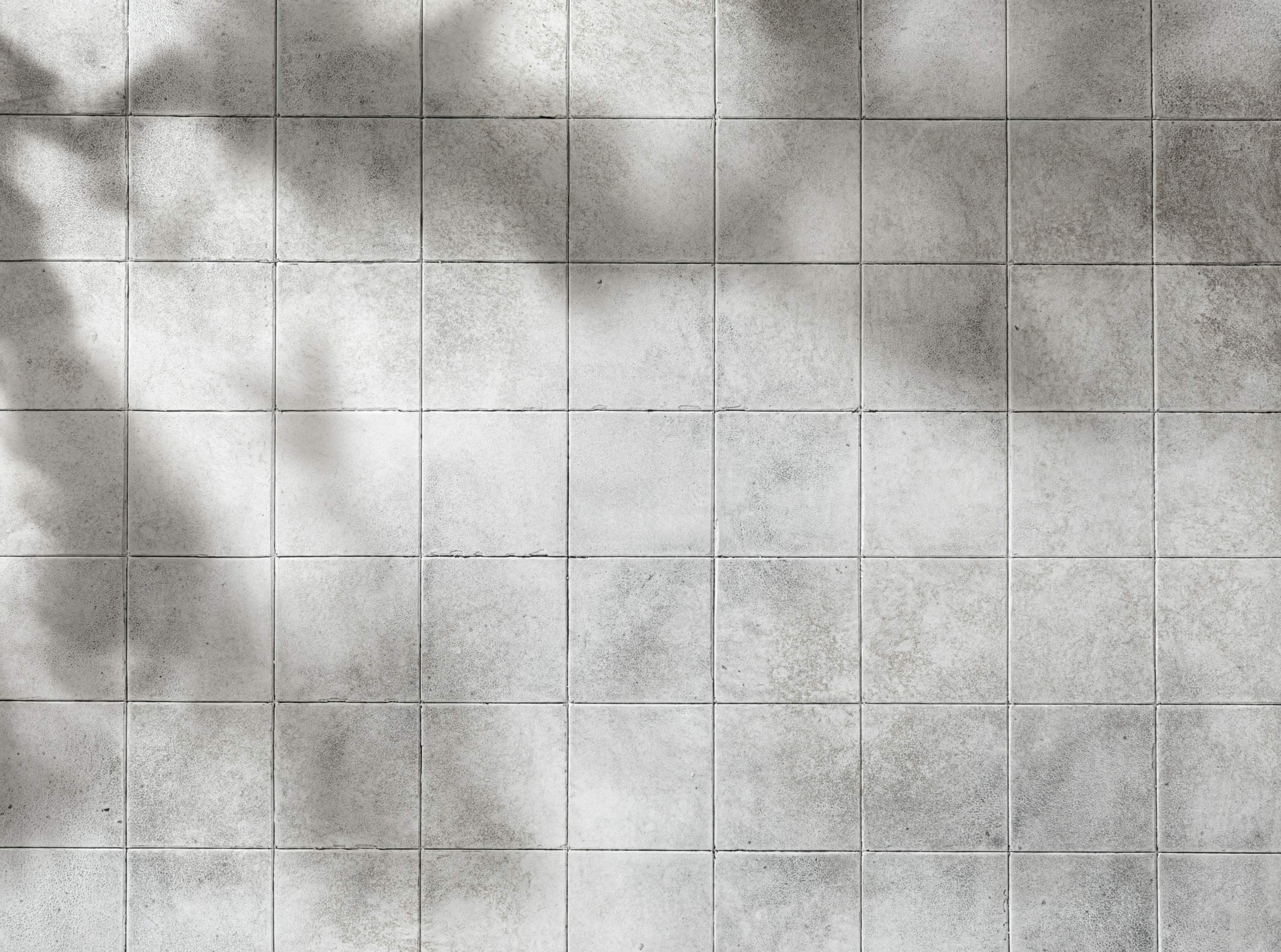
Smaller bathrooms benefit from larger tiles — this is a principle that interior designers and contractors in Malaysia consistently apply. Large-format tiles (600mm x 600mm or bigger) reduce the number of grout lines visible, which creates an illusion of a more expansive space. For compact bathrooms common in Malaysian apartments and terrace houses, this visual trick makes a real difference.
On the other hand, mosaic tiles work beautifully as feature walls or shower niches, adding texture and character without overwhelming a small room.
Colour and Finish: Practical Advice Over Pure Aesthetics
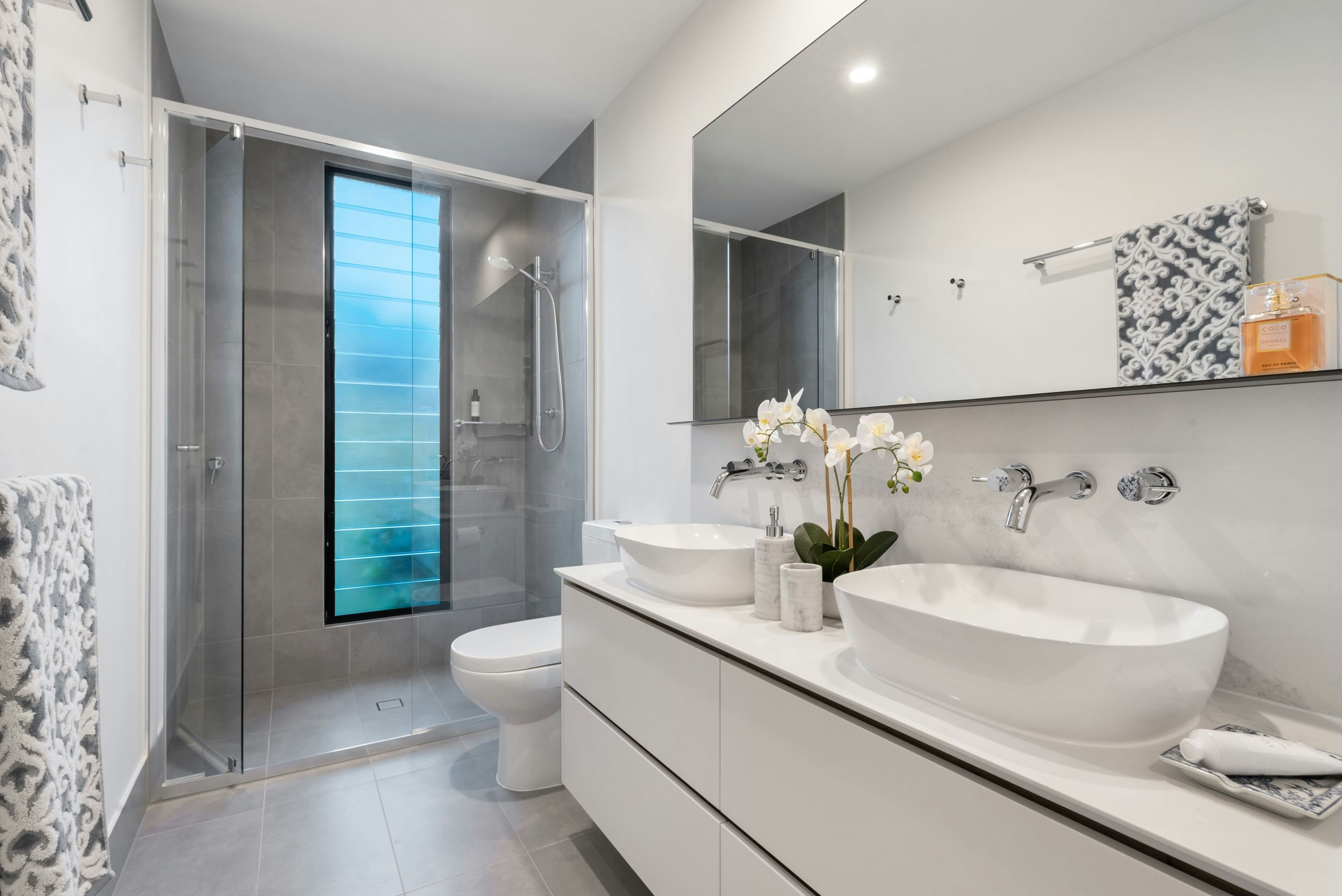
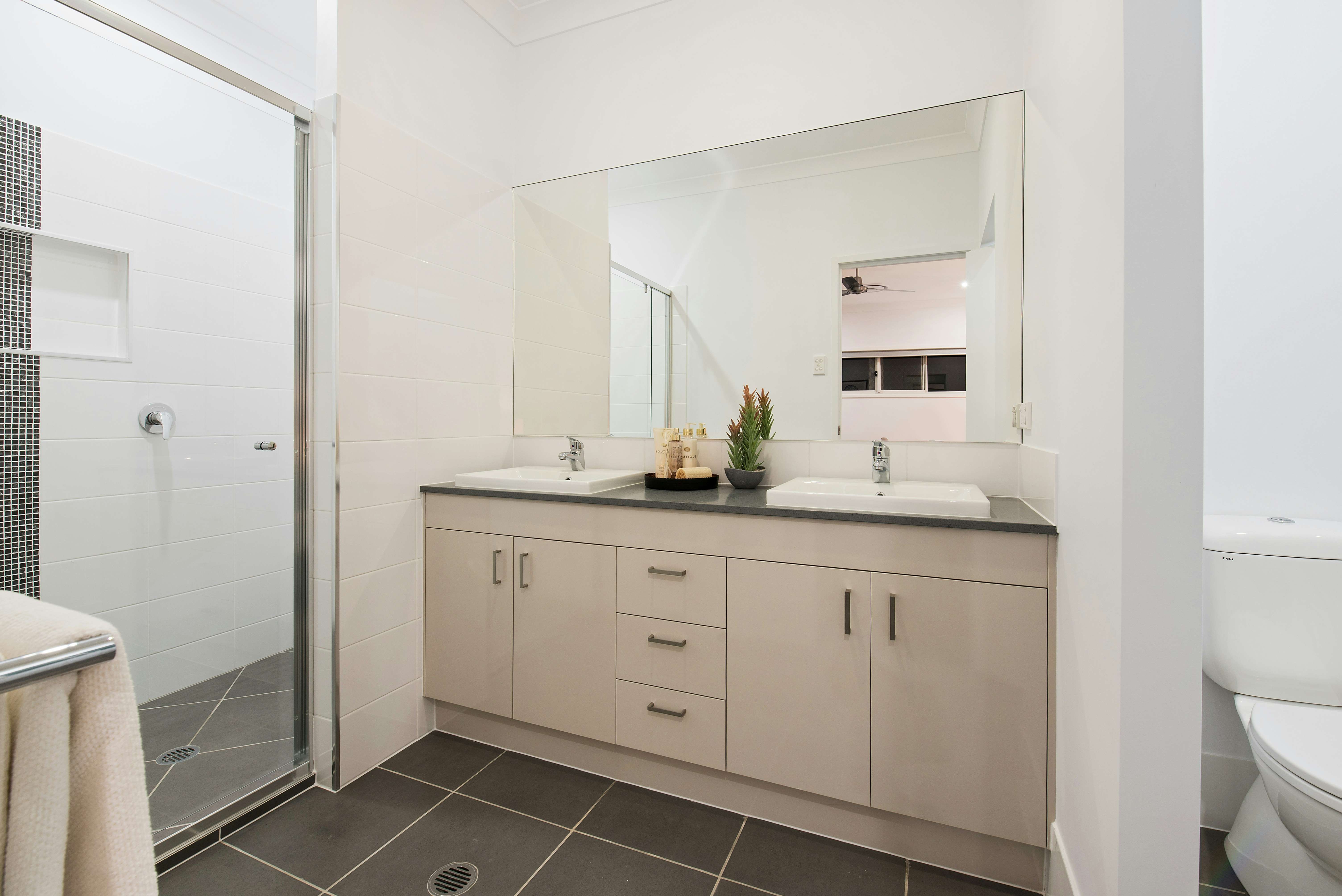
Light colours open up a space, while dark tiles create a moody, dramatic feel that's increasingly popular in boutique hotel-inspired bathroom designs. In practical terms though, dark tiles tend to show water spots and soap scum more easily — something worth factoring in if you prefer low-maintenance cleaning routines.
Matte finishes hide fingerprints and minor scratches better than gloss, while glossy tiles reflect light and can make a dim bathroom feel brighter. In Malaysia, where many bathrooms in older homes lack natural light, a glossy white or cream tile on walls can make a significant difference to how bright and airy the space feels.
Frequently Asked Questions
Q: What type of tile is best for a small Malaysian bathroom?
Large-format porcelain or homogeneous tiles in light colours work best for small bathrooms. They reduce the number of grout lines and make the space feel bigger and cleaner.
Q: How do I know if a tile is safe for wet bathroom floors?
Check the slip resistance rating (COF). Look for tiles rated 0.6 or above for wet areas. Matte and textured finishes generally offer better grip than glossy options.
Q: Are marble tiles worth the investment in Malaysia's climate?
Marble tiles are beautiful, but they require consistent sealing and careful maintenance due to Malaysia's high humidity. They're best suited for homeowners who are committed to regular upkeep or for drier bathroom zones like vanity walls.